
Farming Earth Worm Commercially; Links to the Science and Business

Raising worms commercially

is a sustainable farming opportunity for individuals, non profits and business owners. The potential profits are good, in fact, they are greater than even raising produce. This is probably due to the fact that the worm industry is not subsidized nor is is monopolized. Reduce waste, produce fish food, create fertility for soil and soil-less growing. Worms, earth worm castings and worm teas are ideal for all types of farming. The links below are but a few of the resources for learning more about the worm, one of earths most remarkable decomposers.

GENERAL:

Water Quality and Waste Management; North Carolina State University

Vermicompost Extracts Influence Growth; Interscience Wiley

Agrifood Gateway; Academic and professional info about worms.

Comparative Climate Data – USA

Earthworms as fish food

Omcan Food Machinery Blender

BUSINESS:

Basic Information About Food Scraps

Books on Worm Farming

Commercial Vermicomposting

Commercial Vermicomposting Technologies: A Summary of Commercial Adoption of Vermicomposting Technologies

Controlling Mite Pests in Earthworm Beds

Directory of Vermiculture Resources: Worms, Supplies, & Information

Directory of Vermiculture Resources: by States in the U. S. and by Country: Worms, Supplies &Information

Earthworm Castings as Plant Growth Media a

Herbicide Carryover in Hay, Manure, Compost, & Grass Clippings: Caution to Hay Producers, Livestock Owners, Farmers & Home Gardeners

Latest Developments in Mid-to-Large Scale Vermicomposting

Potential Markets for Vermiculture and Vermicomposting Operations

Raising Earthworms Successfully

Snapshots of Selected Large-Scale Vermicomposting Operations

The Soil Ecology Laboratory, The Ohio State University

HOME

Vermicomposting

SCHOOL

Vermicomposting Curricula

Worm Away Your Cafeteria Food Scraps!

Worm Bin Troubleshooting

Worms Can Recycle Your Garbage


Sustainable closed loop urban agriculture system

This is a 25 minute interview with Beth Bond from Southeast Green. She and Dr. Dave discuss Bioponica’s system and issues of sustainable urban agriculture.

Listen to internet radio with Southeast Green on Blog Talk Radio

Bioponica Workshop Atlanta March 7-9th!

Join us the the second week in March for the first Bioponica workshop open to the public. 

Attendance to the three day class is limited to 12 persons and will include a demonstration of the BioGarden and Incubator grow systems at the Outdoor Activity Center at the Atlanta City Park near the West End. Price for the entire session is $500. If you wish to participate in only one day we will have a reduced rate available. Contact us for details: workshop@bioponica.org

The three day hands on and classroom workshop will provide a comprehensive overview of the bioponica concept for producing fish and plants without relying on manufactured fertilizers and fish food.

It’s easy to be completely self sufficient with soil-less farming when one understands the basics about nutrient cycling. By digesting food waste and urine in low tech 55 gallon barrels we can produce sufficient phosphate, nitrogen and complete minerals to grow all plants, even heavy feeding tomatoes and other fruiting/flowering plants.

We include fish as it is practical but do not rely on fish as this can be a distraction from the more important revenue stream of produce.  Besides, fish don’t provide enough minerals and phosphates to grow more than leafy green plants.

The Bioponica workshop will be held for approximately 3-5 hours for each of the three days and will cover the following topics:

  • Details for building a bioponic garden.
  • Recycling waste to liquid fertilizer
  • Soil additives of worms and biochar
  • Vermiculture
  • Basic mineral and nutrient values contributed from various foods, urine and grass waste
  • Process of nutrient extraction, clarification, biofiltration
  • Optimizing growth of duckweed for feeding plants
  • Fish culture properly raising tilapia, crawfish and ornamentals
  • Water chemistry for fish and plant growing needs
  • Basic horticulture – plant health and disease
  • Sowing, cuttings, harvesting, transplanting
  • Growing in rock media, NFT and deep water
  • Microgreens and Wheatgrass growth and cultivation
  • How to operate Bioponica Incubator and Biogarden.
  • Creating a commercial hydroponic or commercial aquaponic system using Bioponica methods and processes.
  • Design and process considerations for a profitable urban farm and retail center -the Food  Plant

Bioponica Presentation: Georgia Organics Conference Feb 24-25

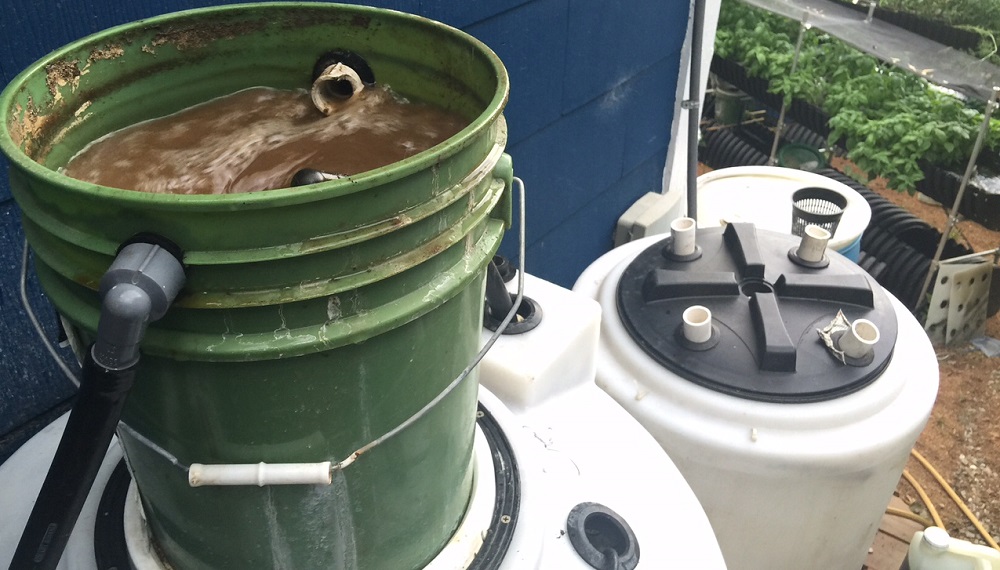
Come join us for the Georgia Organics Conference in Columbus Georgia this weekend. We’re honored to be sharing the bill with the likes of George Allen from Growing Power who will be the Keynote speaker. The Bioponica workshop will be held on Saturday. We’ll discuss the Food Plant and how to build a simple anaerobic digester and solids clarifier, not to produce methane but to create liquid fertilizer, extract water from food and grass waste and add atmospheric CO2 to your greenhouse.

Organic Hydroponics. Sustainable Aquaponics

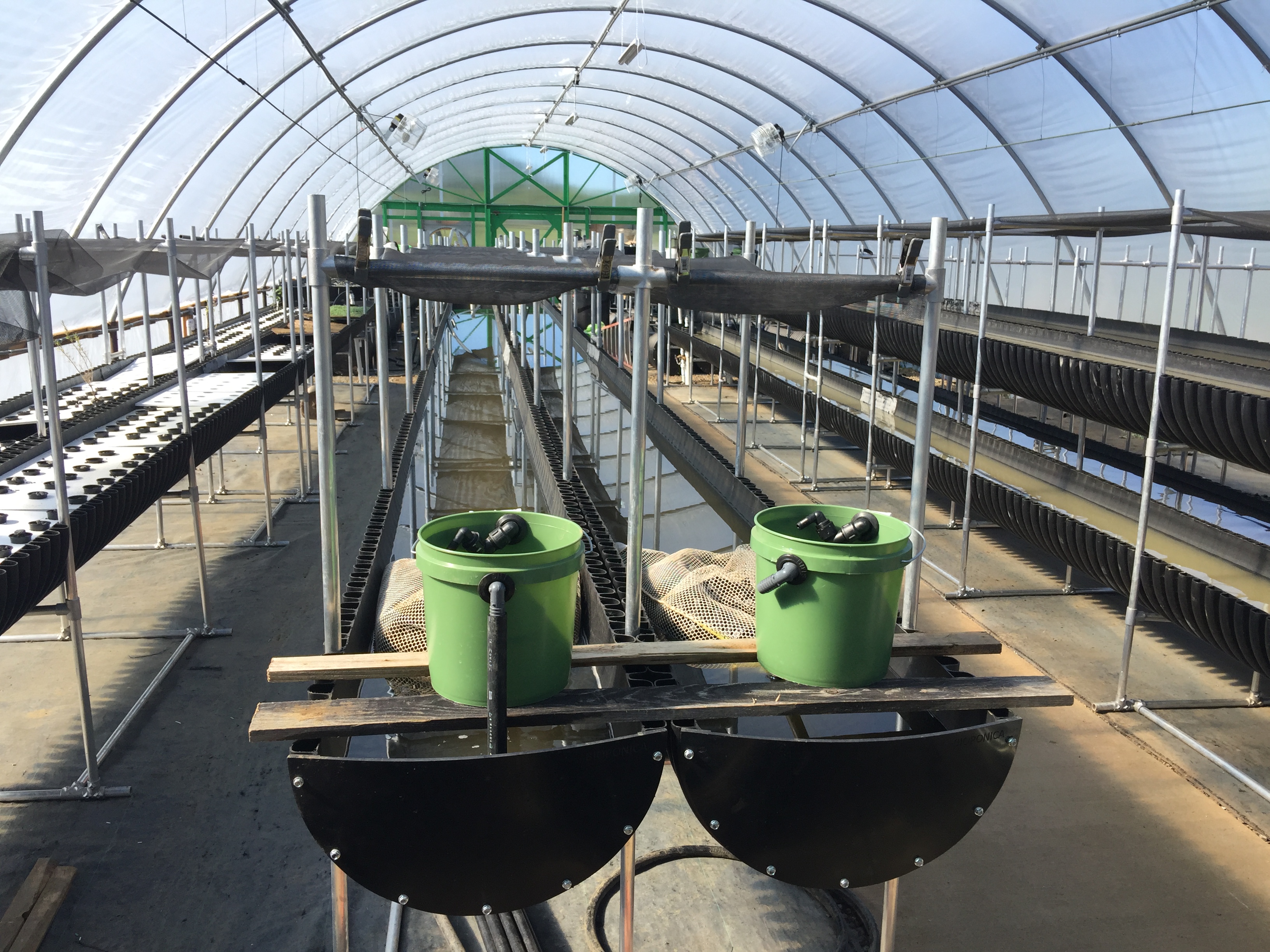
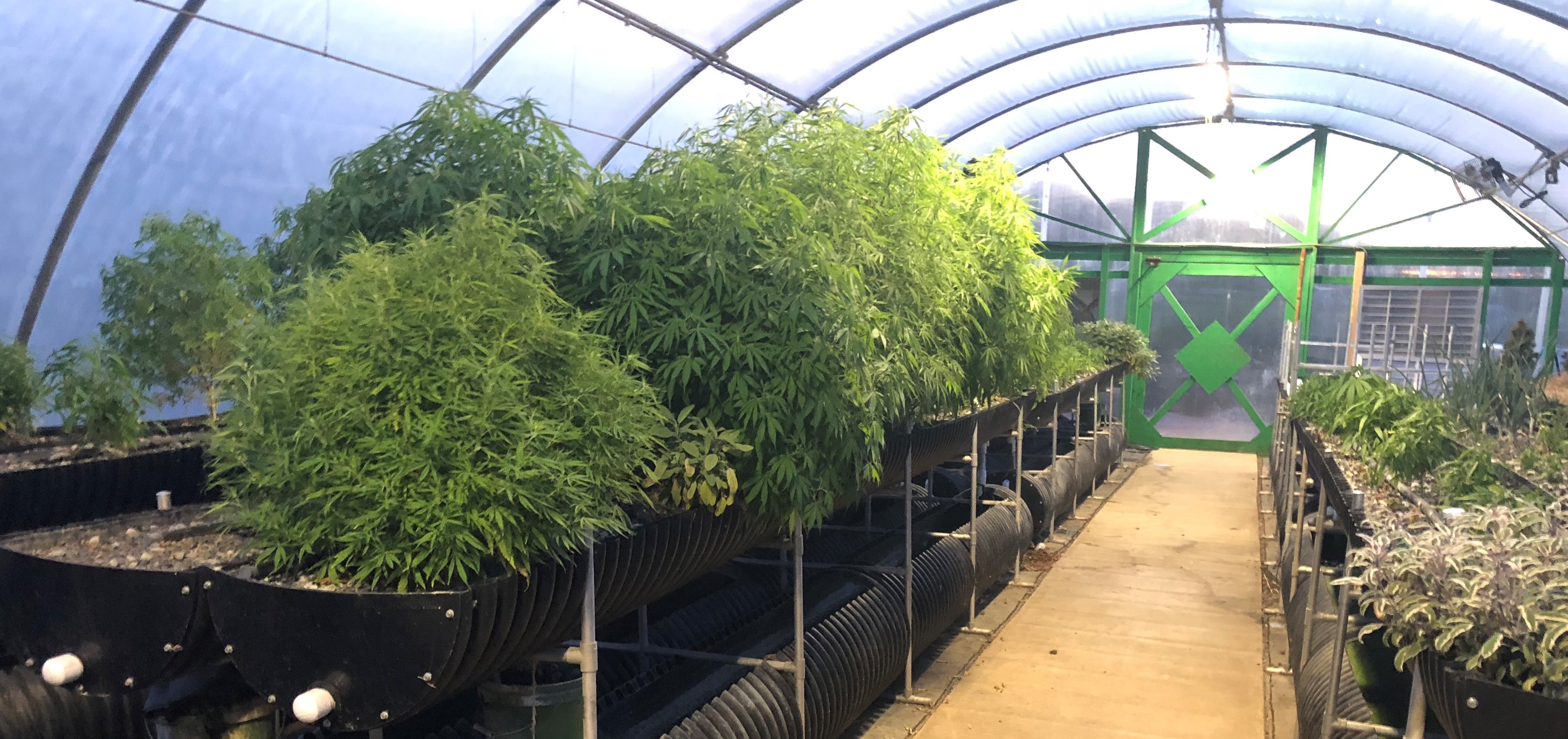
Greenhouse Complex with Digester, Rainwater, Grocery and Cafe

Bioponica will share its evidence of sustainability. Including how much energy, water and fertilizer it takes to operate the system and how that can all be supplied with no recurring cost, once the digester and structure is in place. Sustainable urban farming is possible when an industry is built around food production.

Sustainable Urban Farming

Bioponica Cafe and Pick Your Own Greenhouse Market

Broccoli Sprouts for stomach ulcers; A spoonful of natural medicine.

ALTERNATIVE TREATMENTS FOR H PYLORI

Here’s Amy Kings remedy for ulcers due to H Pylori that I like. 90% of ulcers are due to this bacteria which is directly inhibited by the broccoli phytochemical.

Manuka Honey (Active)– This is the new bomb for anyone suffering from a bacterial or staph infection — internally or externally.  It’s picking up steam in serious cases of flesh wounds and post-surgery (watch this graphic video) that won’t heal due to antibiotic-resistant bugs, and they’ve also documented its use against h pylori.  Expensive but well worth the investment.    I’ve gotten all three of my bottles now from Amazon, though you can pick it up on other sites.  And it tastes yummy too!

* Probiotics — “Probiotic strain Bacillus subtilis 3, whose safetyhas previously been demonstrated, is known to have antagonisticproperties against species of the family Enterobacteriaceae. Inthe present study, it was also found to inhibit H. pylori” (Source:  AAA).You should be taking a probiotic supplement, whether you’re sick or not, but especially if you use antibiotics.   After much compartive shopping and on the recommendation of Dan Hoy, I use Jordan Rubin’s Garden of Life Primal Defense Ultra, which you can also purchase on Amazon or at your local Vitamin Shoppe.

* Mastic Gum — “Even low doses of mastic gum — 1 mg perday for two weeks — can cure peptic ulcers very rapidly,but the mechanism responsible has not been clear. We have foundthat mastic is active against Helicobacter pylori, which couldexplain its therapeutic effect in patients with peptic ulcers” (Source:  New England Journal of Medicine).  I’ve been taking one gram a day in the morning on an empty stomach.

Broccoli Sprouts (American Journal of Gastroenterology) — In laboratory tests the chemical, sulforaphane, killed helicobacter pylori, a bacteria that causes stomach ulcers and often fatal stomach cancers. And the good news is there appears to be enough of it in broccoli sprouts and some varieties of broccoli to benefit people who eat the vegetables” (Source:  USA Today).

“A diet rich in broccoli sprouts significantly reduced Helicobacteri pylori (H. pylori) infection among a group of 20 individuals, found a team of researchers in Japan. H. pylori is known to cause gastritis and is believed to be a major factor in peptic ulcer and stomach cancer.

Scientists are focusing on the anti-cancer properties of a chemical derived from broccoli sprouts called sulforaphane. Among other things, this chemical can help cells defend against oxidants, the highly reactive and toxic molecules that damage DNA and kill cells, potentially leading to cancer” (Source:  DNC).

Along with eating more broccoli, I take one capsule of Broccolive by New Chapter in between meals each day now.

* OmegaBrite – Essential fatty acids as recommended by my new therapist below.

* THE BOMB – Monolaurin (Lauric Acid) – I came upon Dr. Marcus Ettinger’s blog and this doozey of an entry in which he describes his own bout with and treatment of h pylori.  He has since very kindly emailed with me and stressed the importance of the monolaurin.

“Researchers have shown that monolaurin has a direct and potent germ killing effect on H. pyloria, regardless of stomach pH.  The H. pyloria germ killing ability of monolaurin has been confirmed by a second group of researchers” (Source:  Wellness)

Based on Dr. Ettinger’s recommendations, I have also ordered the H-PLR (K-32) and the TheraAloe, though they have not arrived yet.

*  Turmeric — “Among the plants that killed H. pylorit, turmeric was the most effective, followed by cumin, ginger, chilli, borage, black caraway, oregano and liquorice” (source: World J. Gastroenterology).

“Turmeric alone (or associated with gum Mastic, Pistacia lenticus L.for herbal synergy) acts to eliminate H. pylori.  Modern western researchers have found that turmeric (active ingredient within:  Curcumin) is:
  • An Antioxidant
  • Has Anti-inflammatory qualities
  • Produces Anti-cancer activity
  • It is Antimicrobial
  • Has Anti HIV properties
  • May slow down the development of Alzheimer’s”

“Both the methanol extract and curcumin inhibited the growth of all strains of H. pylori in vitro with a minimum inhibitory concentration range of 6.25-50 micrograms/ml. CONCLUSION: These data demonstrate that curcumin inhibits the growth of H. pylori cagA+ strains in vitro, and this may be one of the mechanisms by which curcumin exerts its chemopreventative effects” (Nat. Institutes of Health).

© Copyright BIOPONICA - Designed by Pexeto